Overview of the Fiddler on the Roof Jr. PDF Script
Explore the downloadable PDF, a concise scene‑by‑scene guide to Fiddler on the Roof Jr. It chronicles Tevye’s family, their traditions, and the challenges of 1905 Russia. The file offers clear dialogue, stage directions, and a user‑friendly layout for teachers and performers alike. Ideal for rehearsals,now sheets
Purpose and Accessibility
The Fiddler on the Roof Jr. PDF script serves as a versatile educational tool, offering a streamlined, scene‑by‑scene breakdown that captures the core narrative, character arcs, and musical motifs of original Broadway production; Designed for novice and experienced directors, document condenses complex dialogue into concise readable blocks enabling quick reference during rehearsals and stage planning. Its purpose extends beyond mere transcription; the PDF format allows users to annotate, highlight, and add personal notes directly onto the script, fostering collaborative interpretation among cast and crew.
Accessibility is a cornerstone of the PDF’s design. File is fully searchable, letting performers locate specific lines or musical cues with a simple keyword query. High‑contrast text scalable fonts ensure readability for individuals with visual impairments, while fillable fields support interactive use on tablets and smartphones. Additionally, the script can be exported to assistive technologies such as screen readers, making the material inclusive for audiences and participants who rely on auditory or tactile feedback See Appendix
For educators, PDF offers a ready‑made curriculum resource. Teachers can assign scenes as homework, track progress through embedded checklists, integrate the script with lesson plans that explore themes of tradition, change, and community. The document’s clean layout and clear stage directions also make it an excellent reference for student productions, ensuring that the spirit of the original musical is preserved while allowing creative adaptation. All rights,©2026.!

Format and Features
The Fiddler on the Roof Jr. PDF script is engineered for usability. Its layout follows a classic script format, with clear delineation of acts, scenes, and character names. Dialogue is presented in a two‑column structure, allowing actors to read lines while simultaneously referencing stage directions on the opposite side. The file includes a table of contents with clickable links that jump directly to the requested scene, eliminating the need for manual.
One of the script’s features is its fillable capability. Blank fields are embedded throughout the document, enabling directors and actors to annotate directly on the PDF. Users can type notes, underline important cues, or highlight recurring motifs without altering the original text. This interactive layer is new especially useful for workshops, where participants may want to experiment with interpretations of a character’s motivation.
Actors can also use the script to rehearse musical cues, timing aligns to choreography, which enhances overall production quality.
Actors can also use the script to rehearse musical cues, timing aligns choreography, which better production quality.

Content Breakdown by Act

Act I introduces Tevye, his daughters and the village’s customs, while Act II escalates tensions, culminating in pivotal decisions that shape the family’s future. The PDF highlights key moments, dialogue, and stage cues for each act, ensuring clarity for directors and performers.
Act I opens in the modest, sun‑lit courtyard of Tevye’s home, a humble milk‑shop that doubles as the village’s social hub. The PDF places the audience immediately in pre‑1905 Imperial Russia, where the scent of fresh bread, the clatter of wooden spoons, and the distant hum of a fiddler set the scene. Tevye, the central figure, is introduced as a pragmatic yet deeply spiritual milkman, whose faith is both a refuge and a compass for his family’s daily trials.
The script highlights the arrival of the first daughter, Tzeitel, who is presented as both dutiful and yearning for autonomy. Her dialogue reflects the tension between tradition and modernity, a theme that permeates the musical. Next, the second daughter, Hodel, is introduced with a blend of curiosity and defiance, hinting at her future desire to escape the confines of village life. The third daughter, Chava, is portrayed as the most outspoken, embodying the voice of the younger generation’s rebellion against restrictive customs.
Tevye’s wife, Golde, appears as the emotional anchor of the household, her presence underscored by the rhythmic tapping of her knitting needles. The PDF’s stage directions emphasize her role as the keeper of tradition, juxtaposing her steadfastness against the evolving aspirations of her daughters. The father’s interactions with each child are meticulously scripted, showcasing his attempts to balance love, guidance, and the weight of communal expectations.
In addition to the family, the PDF introduces key villagers—Shlomo the tailor, the town’s rabbi, and the local gossip—each contributing to the tapestry of communal life. Their brief but vivid appearances serve to establish the social fabric that Tevye navigates. The script’s dialogue is peppered with traditional Yiddish phrases, lending authenticity and immersing the audience in the cultural milieu.

Musical cues are strategically placed to underscore pivotal moments: the opening chorus “Tradition” sets the tone, while the lullaby “The Milkman’s Song” offers a tender glimpse into Tevye’s inner world. The PDF’s layout ensures that each character’s entrance is accompanied by clear cues, facilitating seamless transitions for directors and actors alike.
Overall, Act I’s setting and character introductions are crafted to provide a solid foundation for the narrative arc. The PDF’s concise yet comprehensive approach allows performers to grasp the emotional stakes and cultural nuances that drive the story forward, ensuring a faithful and engaging portrayal of this beloved musical classic.
Act II: Conflict and Resolution
Act II delves into tensions that ripple through Tevye’s household and the wider village. The PDF outlines the pivotal moment when Tzeitel’s fiancé, Motel, proposes marriage, sparking debate over tradition versus personal choice. Tevye’s internal struggle is captured through his soliloquy, “If I do not,” where he wrestles with the weight of faith against evolving expectations of his daughters.
Hodel’s rebellion reaches a crescendo as she defies village norms by marrying a foreigner, threatening communal harmony. The script’s stage directions highlight Golde’s tearful monologue, underscoring the generational divide. Meanwhile, Chava’s pursuit of a secular life culminates in her departure, leaving a void dramatized by a quiet set. The stage lights dim, echoing the tensions that linger!!

The resolution is anchored by the communal “Tradition” chorus, reasserting collective identity while acknowledging change. Tevye’s final prayer, “I am a man,” serves as a poignant reminder of the enduring human spirit. The musical cues guide actors through a crescendo that balances hope with melancholy, ending bittersweetly. The curtain falls, leaving the audience with sense of hope and loss!
Act II concludes with a quiet yet powerful tableau: Tevye, surrounded by his family, reflects on the fragile balance between tradition and change. The PDF provides clear cues for lighting, sound, and actor placement, ensuring the emotional stakes resonate. Audiences leave with a renewed appreciation for the enduring human spirit. The curtain rises, echoing love and faith endure borders all Thank you all

Key Scenes and Their Significance
Scene 1: Tevye’s family dinner sets the stage, revealing character dynamics. Scene 2: Golde’s vengeance exposes generational conflict. Scene 3: Chava’s departure underscores the clash between tradition and modernity, driving the narrative forward. Each scene blends humor and pathos.!
Scene 1: Tevye’s Family Dinner
In the opening act, the PDF script places the audience at Tevye’s modest kitchen in Anatevka. The clatter of pots, the aroma of cholent, and the rhythmic cadence of daily routine set the scene. Tevye, a pragmatic yet sentimental patriarch, invites his wife Golde, daughter Tzeitel, son Yente, and youngest Chava to a shared meal that mirrors the community’s values.
The dialogue is concise, allowing directors to focus on character nuance rather than elaborate stage directions. Tevye’s monologue about the “fiddler”—the metaphorical instrument of fate—establishes the thematic tone, while Golde’s interjections reveal tension between tradition and change. Tzeitel’s flirtation with Perchik introduces intellectual curiosity that foreshadows later conflicts.
Notably, the PDF format emphasizes readability: each line of dialogue is numbered, and key actions are highlighted in italics. This design aids quick reference during rehearsals, especially for junior productions where time and resources may be limited. The scene also includes a brief musical cue for the traditional “Tradition” number, preserving rhythm in a condensed script.
From a staging perspective, the script suggests minimal props—a single table, a few chairs, and a pot of cholent. Lighting cues are simple: soft morning light for the opening, gradually intensifying as conversation heats up. This minimalist approach allows small schools to recreate the atmosphere without elaborate sets.
Rehearsal notes in the PDF highlight key emotional beats: Tevye’s hesitation before speaking, Golde’s protective stance, and Chava’s quiet longing. Directors can use these markers to pace the scene, ensuring each character’s voice is heard and the audience feels the weight of impending change.
Overall, Scene 1 functions as a narrative hinge, establishing family dynamics, cultural setting, and the central conflict that will unfold. By focusing on everyday interactions, the PDF script invites directors to explore emotional depth while maintaining an accessible structure for young performers.
Scene 2: The Vengeance of Golde
Following the family dinner, the script shifts to Golde’s private quarters, where she confronts Tevye over his refusal to allow Chava to marry a non‑Jewish man. The dialogue is sharp, reflecting Golde’s fierce protectiveness and the tension between tradition and personal desire. Her lines are punctuated with short, forceful gestures, which the PDF notes as “intense eye contact” and “hand on the table.”
The stage directions emphasize a stark contrast: a single, dimly lit chair and a small table with a single candle. Lighting cues call for a cooler, blue hue to underscore Golde’s anger. The script’s concise format allows directors to focus on the emotional core rather than elaborate set pieces. The PDF includes a brief musical interlude—an instrumental version of “Tradition”—to heighten the drama.
Rehearsal notes advise directors to pace the scene slowly, giving actors time to absorb Golde’s frustration. The PDF’s brief musical interlude is replaced by a short instrumental solo that echoes the emotional intensity. The scene ends with Golde’s silent vow to “take revenge” by leaving the village, a subtle nod to the looming conflict that will unfold in Act II.
Overall, this scene serves as a catalyst for the story’s central conflict. The PDF’s clear numbering and italicized action cues make it easy for junior productions to capture the intensity of Golde’s vengeance while maintaining a realistic, low‑resource staging approach. The concise structure and clear action cues in the PDF empower directors to guide actors through subtle shifts, ensuring the audience senses Golde’s determination and the looming stakes that shape the narrative’s arc for a vivid show and art
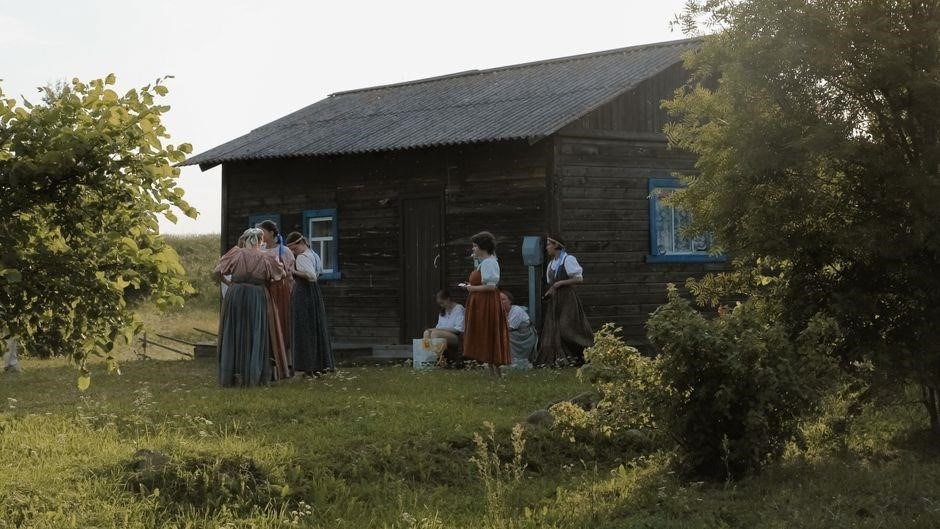
Scene 3: The Departure of Chava
In the final act of the Jr. script, the stage is set to a modest, dimly lit room where Chava sits alone, her expression a blend of resolve and sorrow. The script’s concise dialogue captures her internal conflict as she reflects on the love she has for Yente and the yearning for a life beyond the village. Her lines are interspersed with brief pauses, allowing the audience to feel the weight of her decision. The stage directions call for a single, low‑lying lamp that casts a soft glow, emphasizing the isolation of her choice.
Musically, the scene incorporates an instrumental rendition of “If I Were a Rich Man,” reworked to a slower tempo, underscoring the melancholy of her departure. The PDF notes that the music should be played quietly, with a subtle crescendo as Chava gathers her belongings. The script includes a short, whispered line from Tevye, “I will miss you,” which is marked as a “soft, distant echo” to convey the emotional distance between father and daughter.
Rehearsal guidance in the PDF stresses the importance of body language: Chava’s hands are described as “trembling slightly,” and her movements are “measured, almost hesitant.” The director’s notes recommend using a single prop—a small, worn suitcase—to symbolize her limited yet determined future. The scene ends with Chava stepping onto a narrow, wooden stage that represents the path she will take, her silhouette fading into the background as the lights dim, leaving the audience with a lingering sense of hope and loss. Her departure echoes beyond the stage, touching hearts!!?

Production and Performance Resources
Access the PDF for stage cues, lighting plans, and costume suggestions. Directors can download rehearsal guides, set diagrams, and music sheets. The script includes a list of recommended local theaters, a contact directory, and tips for casting young performers. —ready.!!!??
Explore the downloadable PDF, a concise scene‑by‑scene guide to Fiddler on the Roof Jr. It chronicles Tevye’s family, their traditions, and the challenges of 1905 Russia. The file offers clear dialogue, stage directions, and a user‑friendly layout for teachers and performers alike. Ideal for rehearsals, now sheets.
Music and Choreography References

For directors seeking authentic musical cues, the PDF script includes a comprehensive list of score excerpts aligned with each act. The original composer, Jerry Bock, and lyricist Sheldon Harnick’s melodies are reproduced in standard notation, allowing performers to consult the exact tempo markings. Additionally, the document offers suggested choreographic beats for ensemble numbers such as “Tradition” and “The Wedding.” These beats are annotated in the margin, indicating where dancers should sync with the orchestra’s rhythmic pulse. Directors can also find links to licensed audio files that provide aural examples of the original Broadway recording, helping actors internalize phrasing. The choreography section references the original staging by director Harold Prince, noting key movement motifs that emphasize the themes of change and continuity. For younger performers, the PDF offers simplified movement charts that maintain the integrity of the original choreography while adapting to a junior cast’s physical capabilities. By integrating these musical and choreographic resources, a production can preserve the spirit of the classic while tailoring it to a contemporary, smaller‑scale stage. The PDF also supplies a detailed breakdown of the orchestration for each song, including instrument groupings and dynamic markings. This allows the pit crew to synchronize with the actors’ cues, ensuring that the musical transitions feel seamless. For productions that wish to incorporate modern dance elements, the script references choreographer Susan Stroman’s interpretations of the original choreography, offering a bridge between classic and contemporary movement vocabularies. The document further lists recommended rehearsal tempos, with a suggested metronome setting for each number, which helps maintain consistency across multiple takes. All resources are freely accessible online. The PDF also offers vocal warm‑ups tailored to the roles’ vocal ranges, ensuring confident and clear performances for all!