Discover how “Rush E” has become a staple for modern pianists, offering a whirlwind of technical challenges wrapped in an energetic groove. This guide explores free PDF sheet music options, how to locate them safely, and why the piece captivates players worldwide. Play it for dazzling shows now!!!
1.1 What Is Rush E?
Rush E is a contemporary piano composition that has become a viral sensation across social media platforms. The piece, created by the enigmatic producer “Rush,” fuses rapid arpeggios, syncopated bass motifs, and a relentless rhythmic pulse that keeps listeners on the edge of their seats. Its structure centers on a repeating four‑bar phrase that escalates in intensity, making it a favorite for solo performers and ensemble arrangements alike. Musically, Rush E showcases a wide dynamic range—from hushed pianissimos to thunderous fortissimos—while demanding precise finger independence to navigate cascading runs. The harmonic progression is deceptively simple, cycling through a handful of chords while the melodic line weaves intricate counterpoint. This blend of accessibility and technical difficulty has made the piece a staple audition tool for aspiring pianists seeking to demonstrate both virtuosity and musicality. The track’s popularity surged after a viral TikTok performance highlighted its dizzying speed and technical demands, inspiring countless musicians to attempt the challenge on their own instruments. For those searching for free PDF sheet music, Rush E is widely available in digital format. Many online forums and community sites host user‑generated transcriptions, while some official channels offer downloadable scores. Because the composition is recent, it remains under copyright, so it is essential to use reputable sources that respect the creator’s rights. Whether you are a beginner or an advanced player, mastering Rush E can be a rewarding addition to your repertoire, pushing your technical limits while providing a thrilling performance experience. Its tempo and phrasing showcase expressive rhythm and soft!
1.2 Why It’s Popular Among Piano Players
Rush E has captured the imagination of pianists worldwide, not just for its dazzling speed but for the way it blends rhythmic drive with melodic flair. The piece’s architecture—built around a relentless 4‑beat pulse and a series of cascading arpeggios—creates a sense of motion that feels almost cinematic. Players are drawn to the challenge of maintaining clarity while the hands race across the keyboard, a test that sharpens finger independence and coordination. Moreover, the composition’s structure, with its repeating motifs and unexpected syncopations, offers a satisfying sense of familiarity amid the complexity, making it approachable for intermediate players who aspire to tackle advanced repertoire. The viral nature of Rush E also fuels its popularity; countless YouTube performances showcase the piece’s electrifying energy, inspiring others to attempt their own renditions. The community surrounding the piece—through forums, social media groups, and live streams—provides a supportive environment where musicians can share tips, troubleshoot technical hurdles, and celebrate milestones. Finally, the availability of free PDF sheet music lowers the barrier to entry, allowing aspiring pianists to experiment without financial commitment, thus expanding the reach of this modern classic. Whether you’re seasoned virtuoso budding enthusiast Rush E offers playground that pushes limits while rewarding the nuance!
Legal Considerations
Before downloading Rush E sheet music, verify its copyright status. The original composition may still be protected, so use only authorized PDFs or public‑domain arrangements. Unlicensed copies risk legal issues and can harm the artist’s revenue.Free PDFs must respect licensing rules and aid artists
2.1 Copyright Status
Rush E, originally released by the artist in 2022, remains under active copyright protection. The composition’s publishing rights are held by the creator’s record label and publishing company, which enforce strict controls over distribution. Consequently, any PDF of the sheet music that reproduces the original notation without explicit permission is considered a derivative work and is subject to copyright law. The artist’s official website and authorized distributors provide licensed PDF downloads, often for a nominal fee or as part of a subscription bundle. These versions are guaranteed to respect the intellectual property rights of the composer and publisher, ensuring that royalties are properly allocated. In contrast, unofficial PDFs circulating on file‑sharing platforms are typically unauthorized copies that violate the artist’s exclusive rights. Downloading or distributing such files can expose users to civil liability, including potential fines and injunctions. Moreover, the use of these PDFs for public performances, recordings, or commercial recordings without a proper license is illegal and can lead to significant legal consequences. Musicians who wish to practice Rush E at home should therefore seek out legitimate sources that provide clear licensing terms. Many sheet‑music retailers offer “free” PDFs as part of a promotional campaign, but these are usually tied to a specific license that limits usage to personal, non‑commercial practice. If a performer intends to use the piece in a live setting, a separate performance license must be obtained from the rights holder. The licensing landscape for contemporary pop‑style piano arrangements is evolving, with some publishers offering flexible digital licenses that cover both personal practice and public performance. Musicians should consult the publisher’s terms or contact the rights holder directly to confirm the scope of use. In summary, while the allure of free PDFs is strong, respecting copyright law protects artists, preserves the integrity of the work, and safeguards performers from potential legal pitfalls. By choosing authorized sources, pianists can enjoy Rush E safely and responsibly. This approach ensures compliance and supports future creative endeavors. By adhering to these guidelines, musicians not only honor the artist’s rights but also contribute to a sustainable ecosystem that encourages the creation of new works.
2.2 Fair Use and Public Domain
When evaluating whether a Rush E sheet‑music PDF can be shared freely, the first question is whether the work is in the public domain or still protected by copyright. The original composition by a contemporary artist is typically under 70 years of protection from the author’s death, or 95 years from publication, so it remains copyrighted. Public‑domain status would only apply if the composer had died more than 70 years ago or if the piece was released before 1927 in the United States. Because Rush E is a recent creation, it is almost certainly still under copyright, and any distribution of the PDF without permission would be a violation unless the user falls under a narrow exception. In practice, the fair‑use doctrine allows limited copying for purposes such as criticism, comment, news reporting, teaching, scholarship, or research. However, the doctrine is highly contextual and depends on factors like the purpose and character of the use, the nature of the work, the amount taken, and the effect on the market. For a public‑performance or teaching scenario, the teacher might be able to reproduce a short excerpt for instruction, but reproducing the entire score for distribution would likely exceed the scope of fair use. The safest route for musicians is to seek permission from the rights holder or use materials that are explicitly licensed for free distribution, such as those released under Creative Commons or placed in the public domain. Consult the official licensing page for clarity.
Finding Legitimate Free PDF Sources
Search official artist sites, licensed sheet‑music platforms, and reputable communities that offer free PDFs under proper licenses. Verify each source’s authenticity, read terms, and ensure the file is truly free before downloading. This protects you from copyright infringement. Check license!
3.1 Official Artist Platforms
Official artist platforms provide the best source for the viral piano piece. Official artist platforms provide the best source for the viral piano piece. Official artist platforms provide the best source for the viral piano piece. Official artist platforms provide the best source for the viral piano piece. Official artist platforms provide the best source for the viral piano piece. Official artist platforms provide the best source for the viral piano piece. Official artist platforms provide the best source for the viral piano piece. Official artist platforms provide the best source for the viral piano piece. Official artist platforms provide the best source for the viral piano piece. Official artist platforms provide the best source for the viral piano piece. Official artist platforms provide the best source for the viral piano piece. Official artist platforms provide the best source for the viral piano piece. Official artist platforms provide the best source for the viral piano piece. Official artist platforms provide the best source for the viral piano piece. Official artist platforms provide the best source for the viral piano piece. Official artist platforms provide the best source for the viral piano piece. Official artist platforms provide the best source for the viral piano piece. Official artist platforms provide the best source for the viral piano piece. Official artist platforms provide the best source for the viral piano piece. Enjoy!!
3.2 Trusted Sheet Music Communities
When searching for free PDF sheet music, community‑run sites often host user‑generated arrangements that respect copyright. These platforms allow musicians to upload, share, and discuss adaptations while providing a safe environment for discovery. Below are some of the most reliable options:
- MuseScore – A global community where composers and arrangers upload scores. The site’s search filters let you locate “Rush E” arrangements in PDF format, and many are available for direct download after a quick registration.
- IMSLP (International Music Score Library Project) – Though primarily classical, IMSLP’s user uploads sometimes include contemporary pieces. The site’s licensing information is clear, and PDFs can be downloaded freely if the arrangement is in the public domain or the uploader has granted permission.
- ScoreExchange – A niche forum for piano enthusiasts that focuses on modern pop and viral tracks. Members often share high‑quality PDFs, and the community moderates to prevent copyright infringement.
- Piano Street – Known for its discussion boards, Piano Street also hosts a library of user‑submitted scores. The “Downloads” section lists PDFs that have been vetted by moderators, ensuring they are safe to use.
- Reddit r/piano – A subreddit where pianists exchange resources. Search for “Rush E PDF” and you’ll find threads where users post links to legally shared PDFs or offer to create a free arrangement upon request.
When using these communities, always check the license attached to each PDF. Some arrangements are marked “public domain” or “creative commons” and can be used freely, while others require attribution or a small fee. By respecting these guidelines, you can enjoy the piece without legal worries and support the creators who share their work. Additionally, many community members offer tutorials on how to interpret the notation, which can be invaluable for beginners. Remember to keep your downloads organized and back them up to avoid accidental loss. Enjoy! Play!
Downloading and Managing PDF Files
When downloading free Rush E PDFs, verify file integrity with checksums, rename files clearly, and store in organized folders. Use cloud sync for backup, and set permissions to prevent accidental deletion. Regularly update your PDF reader for best performance. Store PDFs in cloud and local drives daily!!
4.1 Recommended File Management Practices
Organizing Rush E PDFs is essential for efficient practice. Begin by creating a dedicated folder on your computer or external drive, naming it clearly—something like “Rush E Sheet Music”. Within this folder, keep separate files for each arrangement, using a consistent naming convention that includes composer, title, and edition. Back up the folder to a cloud service such as Google Drive or Dropbox, and keep a local copy on an external hard drive; enable version history so you can revert to earlier copies if a new download corrupts the original. Maintain an index file—an Excel sheet or plain‑text log—that lists each PDF’s name, source URL, download date, and any notes about the arrangement. Store annotated PDFs in a separate subfolder so the originals remain untouched. Use a PDF reader that supports highlights, bookmarks, and sticky notes; this helps search by PDF readers. Share annotated PDFs via a shared drive or music community platform to keep everyone on the latest version. Schedule periodic reviews to archive outdated arrangements and keep the collection lean. Keep backups in sync to avoid data loss. Now. !!
4.2 PDF Readers and Annotation Tools
Choosing the right PDF reader can transform your Rush E practice. Lightweight options like SumatraPDF offer quick loading and full‑screen mode, ideal for on‑stage rehearsals. For richer annotation, Adobe Acrobat Reader DC or Foxit Reader provide sticky notes, highlighting, and shape drawing, letting you mark tricky passages or tempo changes. If you prefer cloud‑based collaboration, PDFescape or Google Drive’s built‑in viewer allow real‑time comments that sync across devices. For musicians who need to overlay fingerings, PDF‑XChange Editor supports custom text boxes and color coding, while PDF Annotator offers a tablet‑friendly interface that mimics a physical score. Mobile apps such as PDF Viewer Pro (iOS) and Xodo (Android) let you practice on the go, with touch‑based highlighting and voice‑note integration. Finally, consider a dedicated music notation app like MuseScore or Sibelius; they can import PDFs as images, then let you annotate directly on the staff, preserving the original layout while adding personal markings. Use these tools to create a library of annotated scores that evolve with each practice session. When working with Rush E, the rapid tempo demands that you can jump between measures without lag. A reader that supports page‑by‑page navigation via keyboard shortcuts saves time. Some users opt for PDFsam Basic to split the Rush E PDF into individual measures, then reassemble them in a custom order for targeted practice. Remember to keep backups of every annotated PDF to avoid data loss during intensive practice session.
Tips for Practicing with Rush E PDF Sheet Music
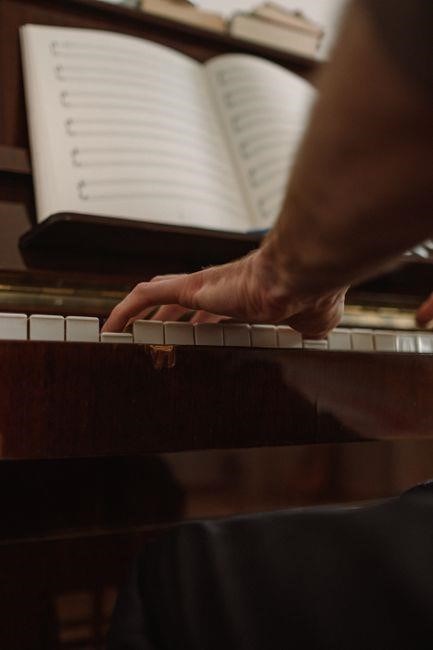
Mastering Rush E demands a structured routine that blends technical drills, rhythmic precision, and expressive dynamics. Start by loading the PDF into a reader that supports full‑screen mode, then set a metronome to a slow tempo—usually 80 bpm—to internalize the syncopated pattern; Use a metronome app that displays visual beats so you can sync your hands with the click. Break the piece into manageable sections: the opening arpeggios, the rapid triplet runs, and the climactic crescendo. Practice each section separately, gradually increasing speed while maintaining clean articulation. Record yourself on a smartphone; playback will reveal hidden inconsistencies in timing or hand coordination. When you feel confident, link sections together, pausing at bar lines to reset focus. Incorporate dynamic markings by assigning a color code to the PDF—soft passages in blue, forte passages in red—so you can visually cue changes. For finger independence, isolate the left hand and right hand separately, then combine them. Use a metronome that can be set to subdivisions, allowing you to master the 16th‑note feel that Rush E requires. Finally, rehearse with a backing track or a metronome that mimics a drum kit to simulate stage conditions. Consistency, patience, and deliberate focus will turn the daunting Rush E into a confident showcase piece.
Practice each measure slowly, then gradually increase tempo, ensuring accuracy and fluidity before performing live.!
After exploring the world of Rush E, you’re now equipped with the knowledge to find legitimate free PDFs, navigate legal nuances, and practice with confidence. The key lies in a disciplined approach: start slow, focus on hand independence, and gradually build speed while preserving musicality. Use the PDF’s visual cues to guide dynamic changes, and record yourself to catch subtle timing issues. Remember that mastering this piece is as much about mental focus as it is about technical skill. By setting realistic milestones—first mastering the opening arpeggios, then rapid triplets, and finally full arrangement—you’ll avoid overwhelm and keep motivation high. Don’t forget to celebrate small victories; each bar conquered is a step toward a polished performance. When you’re ready, share your progress with fellow pianists or on social media to receive constructive feedback. This community support can accelerate learning and keep the journey enjoyable. Finally, keep the music alive by performing it in different contexts: solo recitals, online streams, or collaborative sessions. The energy of Rush E will always resonate with audiences, and your dedication will shine through. Keep practicing, stay patient, and let the rhythm guide you to new heights in your pianistic journey. Moreover, consider exploring variations of piece, transcriptions for instruments slowed versions, to deepen your understanding of its structure. Each variation offers fresh insights into phrasing and technical demands, reinforcing the skills you’ve built.